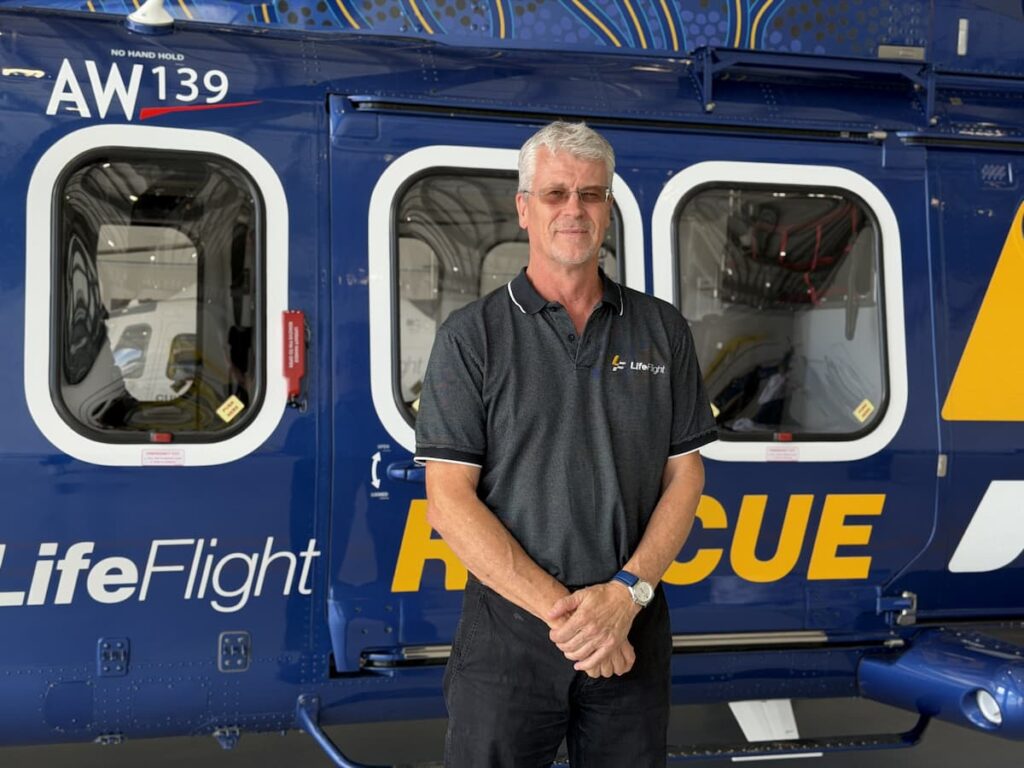




Doctor Sam Inman only planned to work in Cairns for a year but nearly a decade later, it’s the place he calls home.
“I moved to Cairns in 2017 and have worked in a number of emergency departments throughout Queensland,” he said.
“I think I fell in love with the lifestyle. I travelled a bit more around Queensland, but I’ve ended up back in Cairns just because I love the Far North Queensland life.”
Dr Inman said it took time to become acclimatised but the outdoor culture of the region had him hooked, despite a few hair-raising encounters with Australian wildlife.
“There’s great hiking, you can visit some waterfalls; a lot of beautiful places to go,” he said.
“I’ve had a few encounters with Far North Queensland wildlife. I’ve run into a cassowary on a hike and a couple of snakes. Fortunately, I’ve not run into any saltwater crocodiles — that’s the biggest fear — but I’ve definitely seen a few.”
Dr Inman first knew he wanted to work for LifeFlight when he witnessed the level of pre-hospital care a LifeFlight retrieval registrar could provide while working at Cairns Hospital.
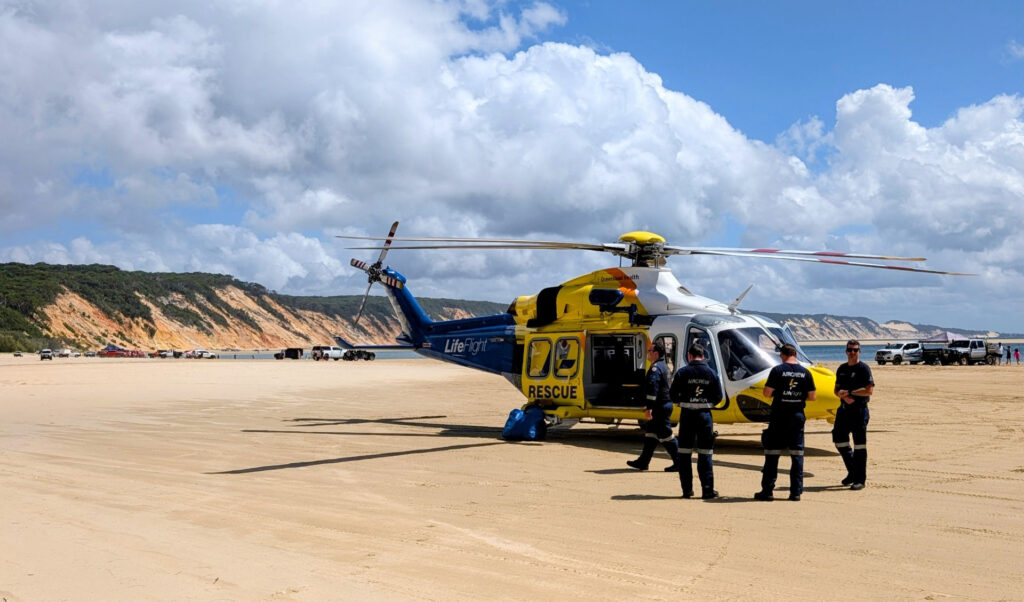
“I think services like LifeFlight are absolutely essential. A fun fact that I like is that coming from the UK, the area we cover in Cairns and Cape York is larger than the area of the whole United Kingdom,” he said.
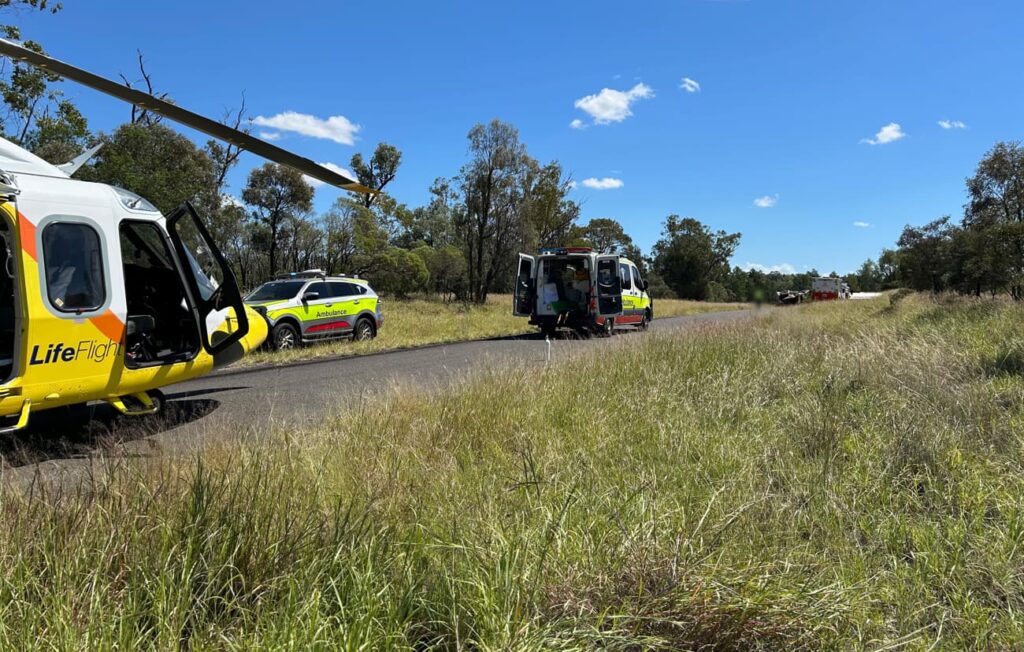
“A lot of our communities are very spread out with large distances in between them and retrieval services manage to get these patients to emergency care very rapidly. It would be very, very difficult without (them).”
Dr Inman is one of 33 doctors about to head out and support Queenslanders from tropical Far North Queensland to the red-earth plains of the Maranoa region.
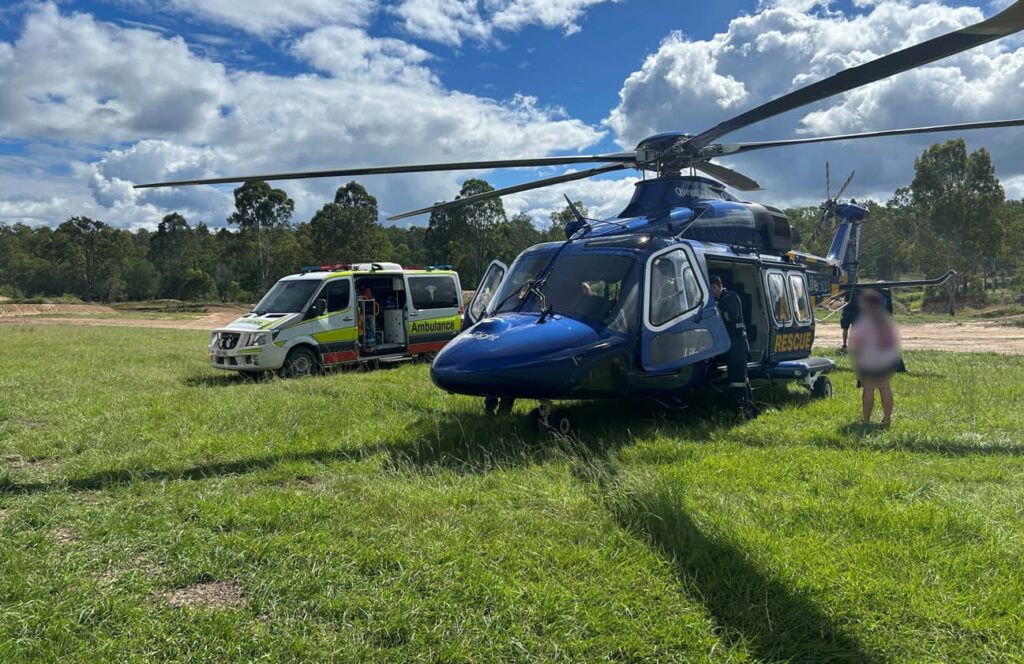
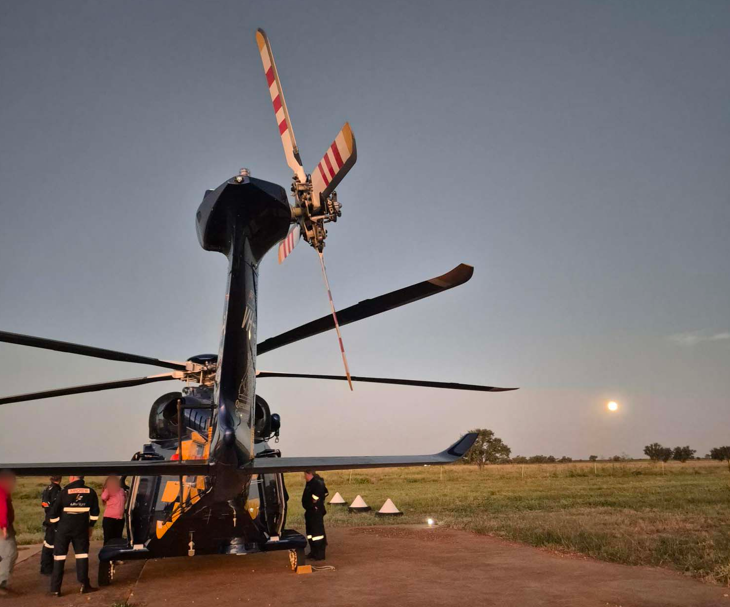
He will join Dr Ally Hardy and Dr Anthony Wishart on board the Queensland Government Air (QGAir) AW139 helicopter in Cairns.
Dr Inman had a week of intensive aeromedical training at the LifeFlight Training Academy at Brisbane Airport in preparation for his new role.
From Helicopter Underwater Escape Training (HUET) and sea survival to rescue winching and clinical scenarios, the program put the new doctors through their paces to get them mission-ready from day one.
During HUET, the retrieval registrars were taken through multiple scenarios to simulate a helicopter crash into water and how to safely exit the aircraft.
LifeFlight HUET Manager Mick Dowling said the specialised training provided the necessary skills to aid the doctors while working on board a helicopter.
“Our mission is to have the doctors skilled with the confidence to be able to deal with any aviation situation that they may be faced with,” he said.
“The common response we get from them after the completion is that it was challenging and uncomfortable, but overall, an amazing experience.
“It’s highly unlikely the aircraft will be required to be ditched into the water, however all crew are trained should they face that situation.”
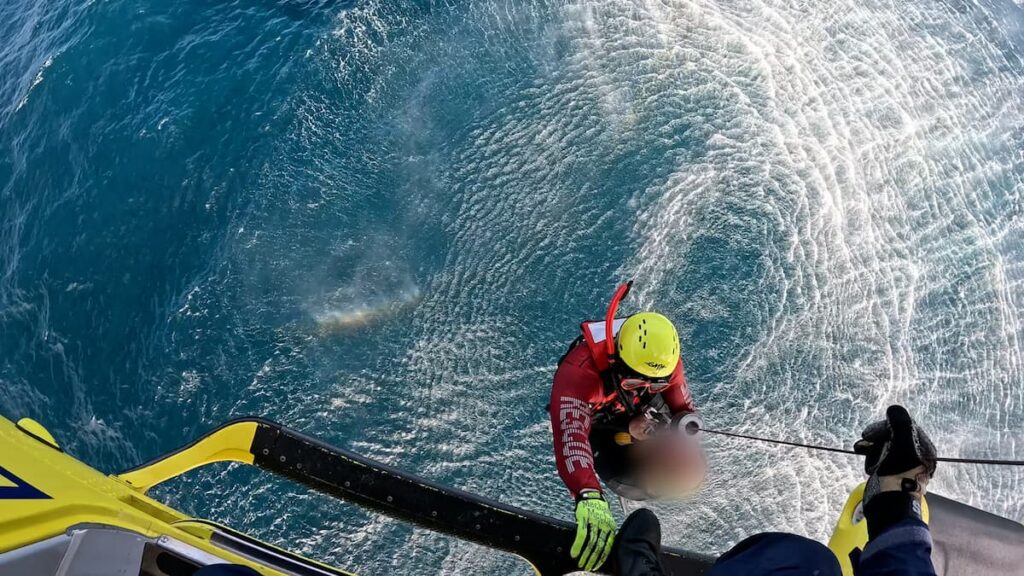
After being tumbled upside down through the water and learning how to survive out on the open water, the doctors were taken through winching procedures.
LifeFlight Deputy Chief Aircrew Officer Todd Seymour said the winch training prepared them for the unpredictability of the role.
“The doctors learn multiple exercises. They learn how to be winched out of the aircraft by themselves, how to be winched out of the aircraft with a rescue crewman or paramedic and learn how to accompany a stretcher into the aircraft,” he said.
“They’re going to remote areas across Queensland and they could be in dense bushland or out to sea off a cruise ship, so it’s important they’re delivered the training they need to perform these roles to a high and safe standard.
“No two days are the same for us at LifeFlight.”
The doctors also had their clinical skills pushed to the limit at the Queensland Combined Emergency Services Academy, with realistic simulated scenarios such as a multi-vehicle collision.
The new recruits were also taught how to extract a patient from a road accident by Queensland Fire Department (QFD) personnel.
LifeFlight employs more than 180 medical professionals, including doctors, nurses and paramedics, making it Australia’s largest employer of aeromedical doctors.
Cairns-based LifeFlight critical care doctors helped 914 people in 2025.
LifeFlight came to the aid of 8,838 Queenslanders in 2025 – 4.2 per cent higher than the previous year.
The majority of LifeFlight critical care doctors’ work is performed on behalf of Queensland Health, tasked by Retrieval Services Queensland, within Queensland Ambulance Service.