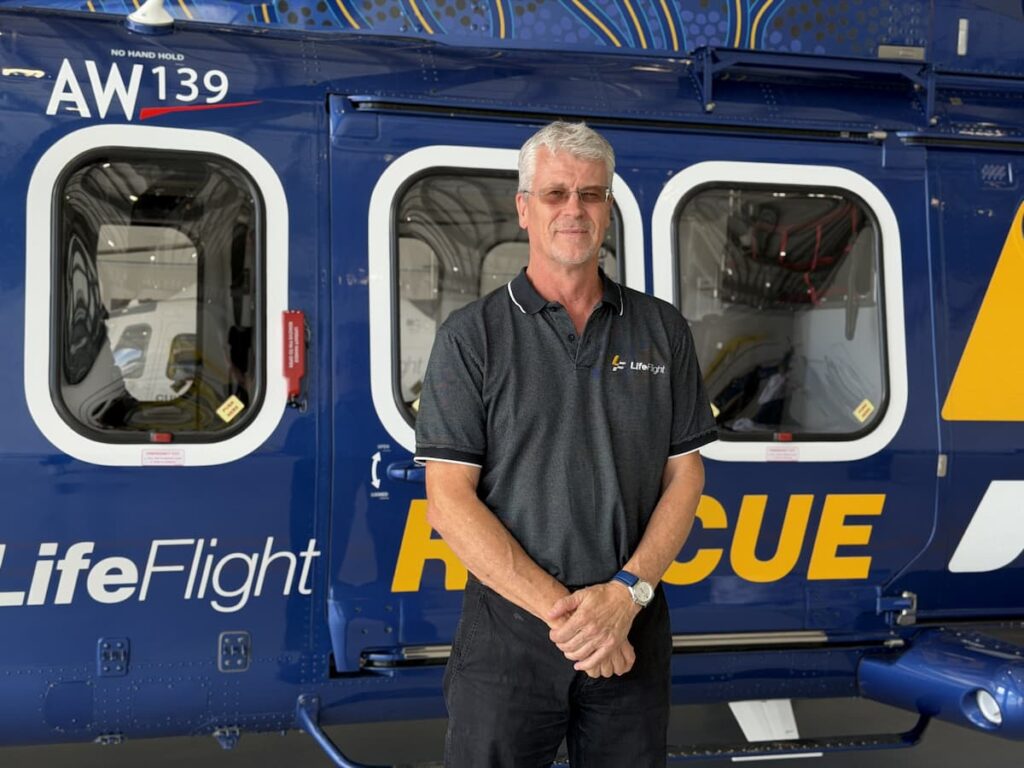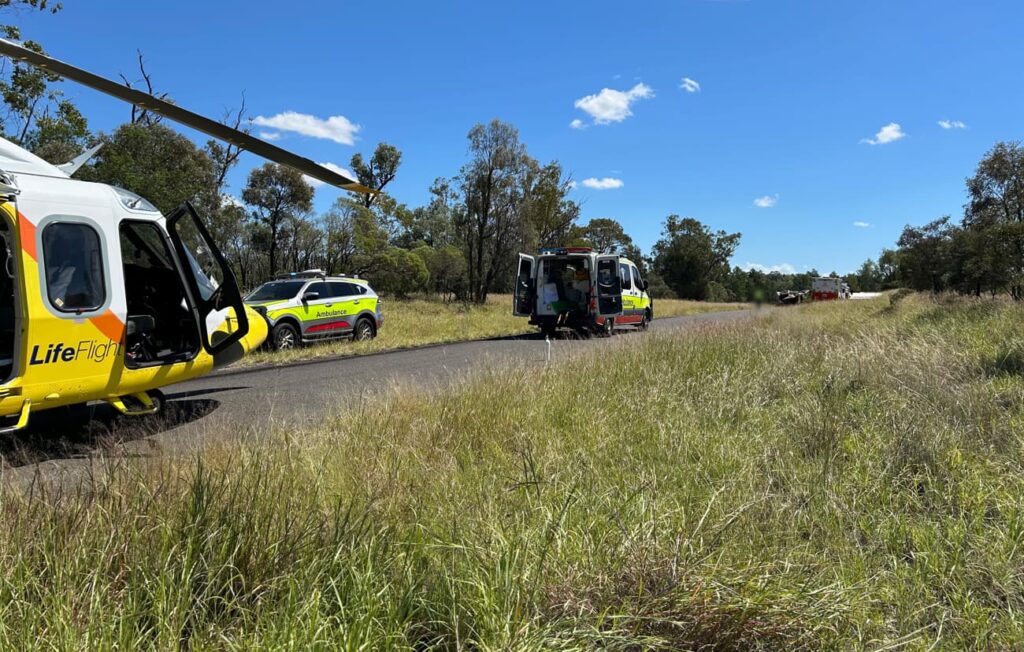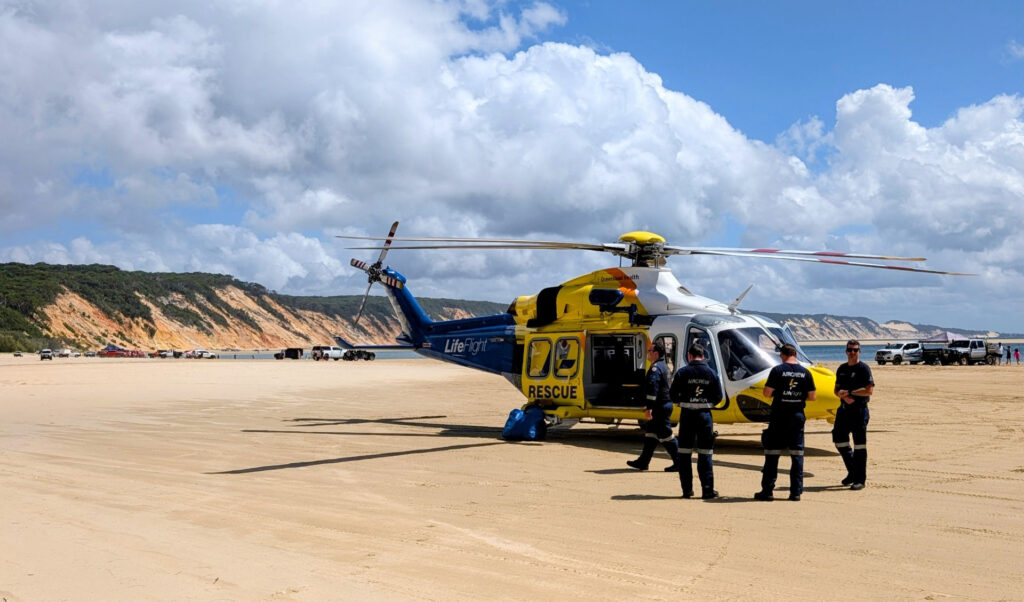




An aeromedical organisation saved Dr Bassim Jebeili’s life when he was just four years old.Now, his journey has come full circle, with Dr Jebeili joining LifeFlight as one of its newest critical care doctors.
“I grew up in a very small town in the Northern Territory and I accidentally broke a window inside my house and cut my right arm,” Dr Jebeili said.
“There was a lot of bleeding and being so far away from any tertiary hospital, we had to have a retrieval team come and get me.”
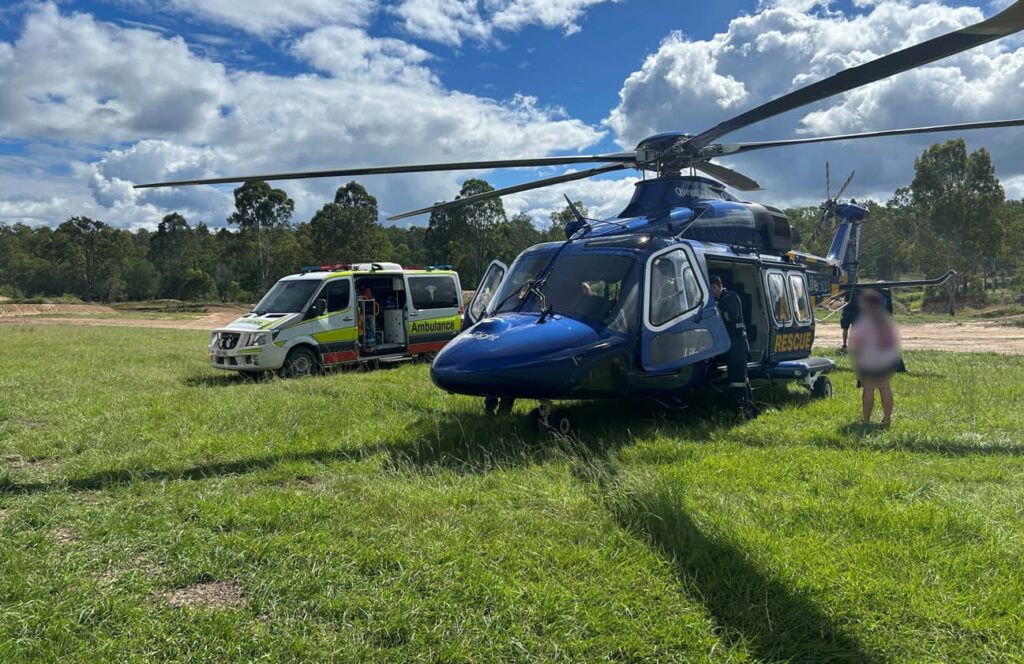
He said that experience of being flown to Royal Darwin Hospital for specialised care is why he is so passionate about retrieval medicine.
“Retrieval medicine and a service like LifeFlight is incredible and I am here because of that,” Dr Jebeili said.
“It’s something that is very close to my heart.
“I feel like I’m coming full circle. Someone stepped up for me, and I hope I can step up for someone.”
The new retrieval registrar worked in tertiary hospitals in Sydney and the Gold Coast before joining the latest cohort of critical care doctors.
He said accessing tertiary level care can often be difficult for regional communities.
“The biggest problem with regional is the geography and the distance of being far from a tertiary centre,” he said.
“With a service like LifeFlight, you get amazing critical care specialists.
“It brings an awesome team to a regional area that does not have tertiary level care. It brings it right to the door.”
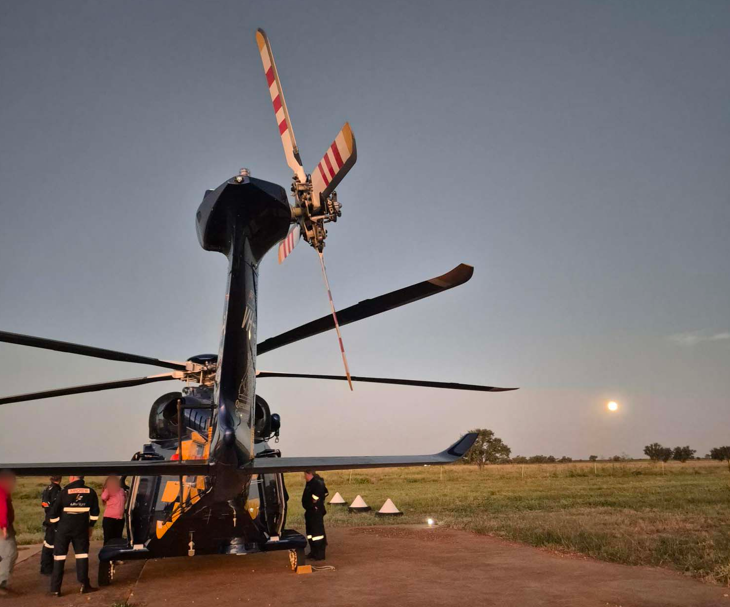
Doctor Jebeili will join Dr Michael McLellan, Dr William Ibbotson, Dr George Allen, Dr David Conn, Dr Joshua Conroy, Dr Sean Crotty, Dr Molly Freyling and Dr Fiona Kilpatrick in helping Queenslanders access critical care from the sky on board the Brisbane-based helicopter and Challenger 604 air ambulance jet.
He is one of 33 doctors about to head out and support Queenslanders from tropical Far North Queensland to the red-earth plains of the Maranoa region.
Dr Jebeili had a week of intensive aeromedical training at the LifeFlight Training Academy at Brisbane Airport in preparation for his new role.
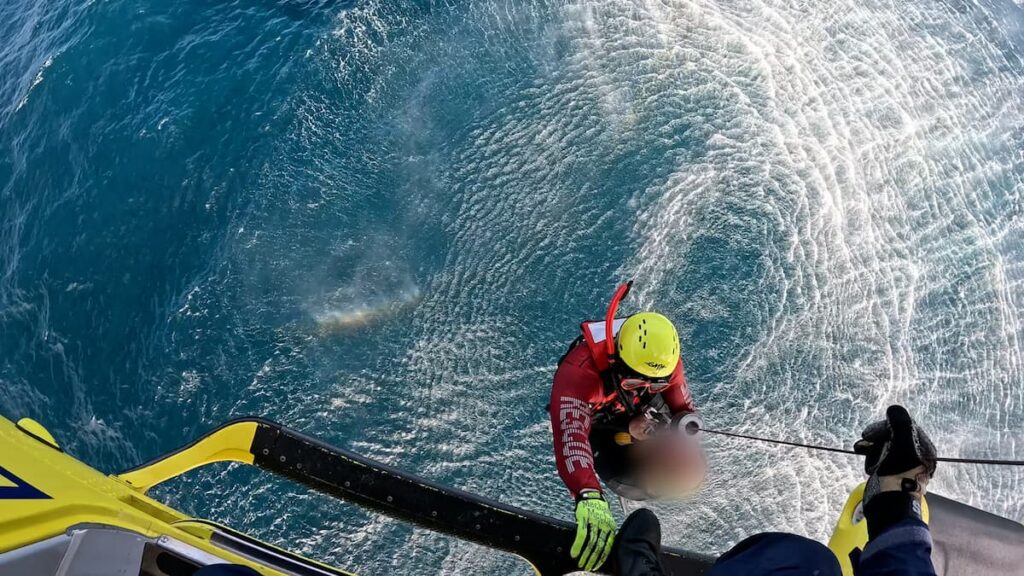
From Helicopter Underwater Escape Training (HUET) and sea survival to rescue winching and clinical scenarios, the program put the new doctors through their paces to get them mission ready from day one.
During HUET, the retrieval registrars were taken through multiple scenarios to simulate a helicopter crash into water and how to safely exit the aircraft.
LifeFlight HUET Manager Mick Dowling said the specialised training provided the necessary skills to aid the doctors while working on board a helicopter.
“Our mission is to have the doctors skilled with the confidence to be able to deal with any aviation situation that they may be faced with,” he said.
“The common response we get from them after the completion is that it was challenging and uncomfortable, but overall, an amazing experience.
“It’s highly unlikely the aircraft will be required to be ditched into the water, however all crew are trained should they face that situation.”
After being tumbled upside down through the water and learning how to survive out on the open water, the doctors were taken through winching procedures.
LifeFlight Deputy Chief Aircrew Officer Todd Seymour said the winch training prepared them for the unpredictability of the role.
“The doctors learn multiple exercises. They learn how to be winched out of the aircraft by themselves, how to be winched out of the aircraft with a rescue crewman or paramedic and learn how to accompany a stretcher into the aircraft,” he said.
“They’re going to remote areas across Queensland and they could be in dense bushland or out to sea off a cruise ship, so it’s important they’re delivered the training they need to perform these roles to a high and safe standard.
“No two days are the same for us at LifeFlight.”
The doctors also had their clinical skills pushed to the limit at the Queensland Combined Emergency Services Academy, with realistic simulated scenarios such as a multi-vehicle collision.
The new recruits were also taught how to extract a patient from a road accident by Queensland Fire Department (QFD) personnel.
LifeFlight employs more than 180 medical professionals, including doctors, nurses and paramedics, making it Australia’s largest employer of aeromedical doctors.
The Brisbane base helped 1,561 people across the fixed and rotary wing fleets in 2025.
LifeFlight came to the aid of 8,838 Queenslanders in 2025 – 4.2 per cent higher than the previous year.
The majority of LifeFlight critical care doctors’ work is performed on behalf of Queensland Health, tasked by Retrieval Services Queensland, within Queensland Ambulance Service.