



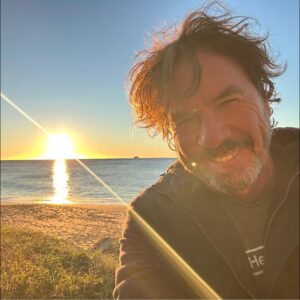
 Patient: Chris Grehan (Sunshine Coast teacher and bush camp cook)
Incident: Suspected eastern brown snake bite at a remote bush camp near Kilkivan
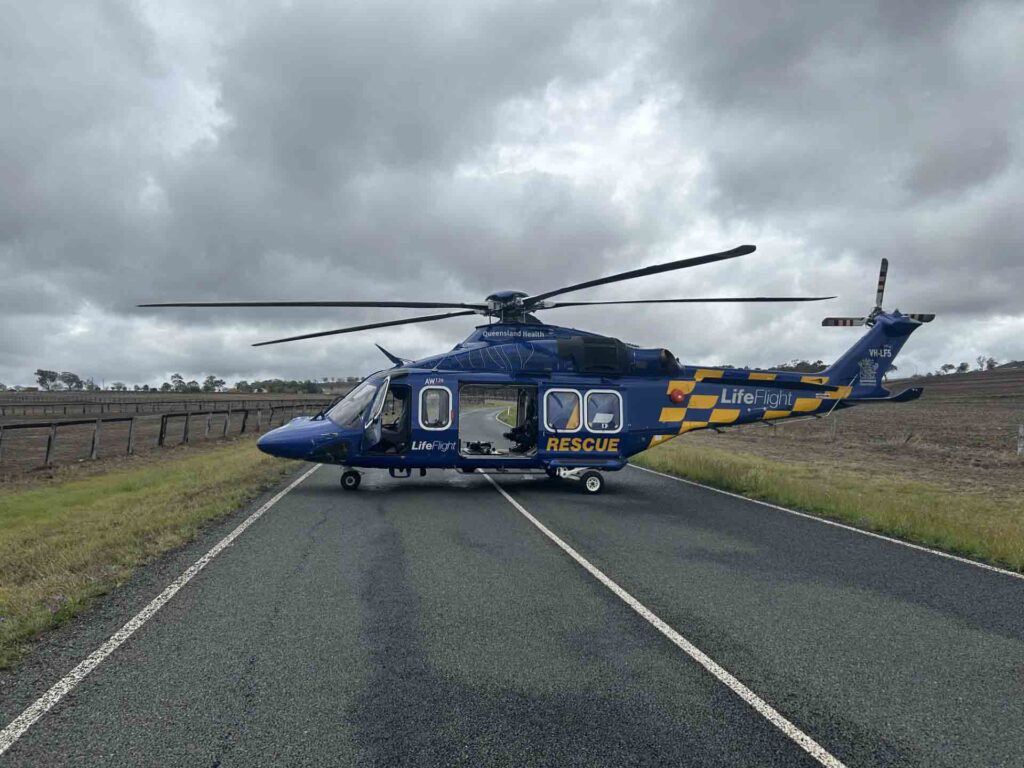
LifeFlight Rescue: Bundaberg-based helicopter retrieval to Bundaberg Hospital
Key Capabilities: Regional aeromedical retrieval, critical care response and community trauma training
The Snake Bite in the Bush
Chris Grehan was cooking at a remote bush camp near Kilkivan when he felt something brush against his ankle in the long grass.
Initially thinking it was a stick, Chris soon noticed blood running down his leg. Looking closer, he saw two puncture wounds and realised he had likely been bitten by a snake.
“I wiped the blood away and saw two puncture wounds and thought, ‘that doesn’t look very good’,” Chris said.
Trauma Training in Action
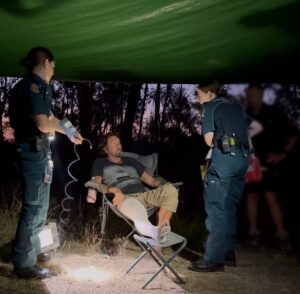
Camp facilitator Rick J Petersen from Southern Exposure Survival immediately recognised the seriousness of the situation and applied a snake bite pressure bandage.
Chris stayed still and waited for emergency services, knowing the actions taken around him were critical while help was on the way.
“I sat down straight away and immobilised myself. I knew it was a serious situation, but I had a pressure bandage on, and I was in good hands,” he said.
The quick response highlighted the importance of knowing what to do during a medical emergency, especially in regional and remote locations.
LifeFlight Brings Critical Care to Regional Queensland
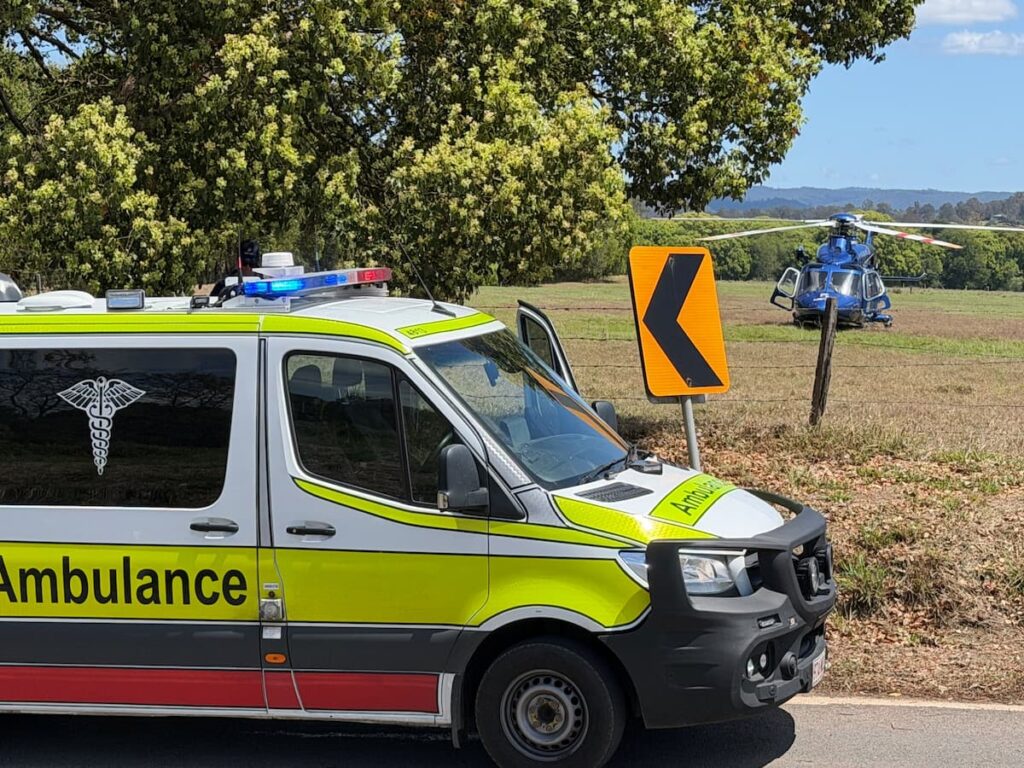
After Triple Zero (000) was called, Queensland Ambulance Service paramedics attended from Murgon.
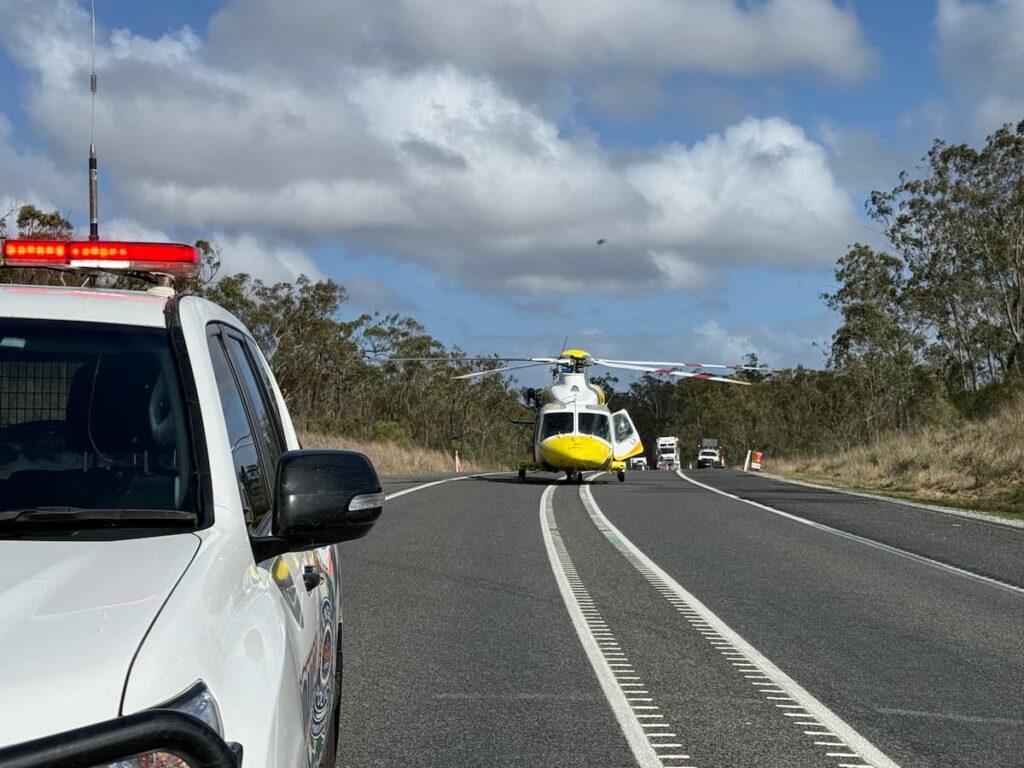
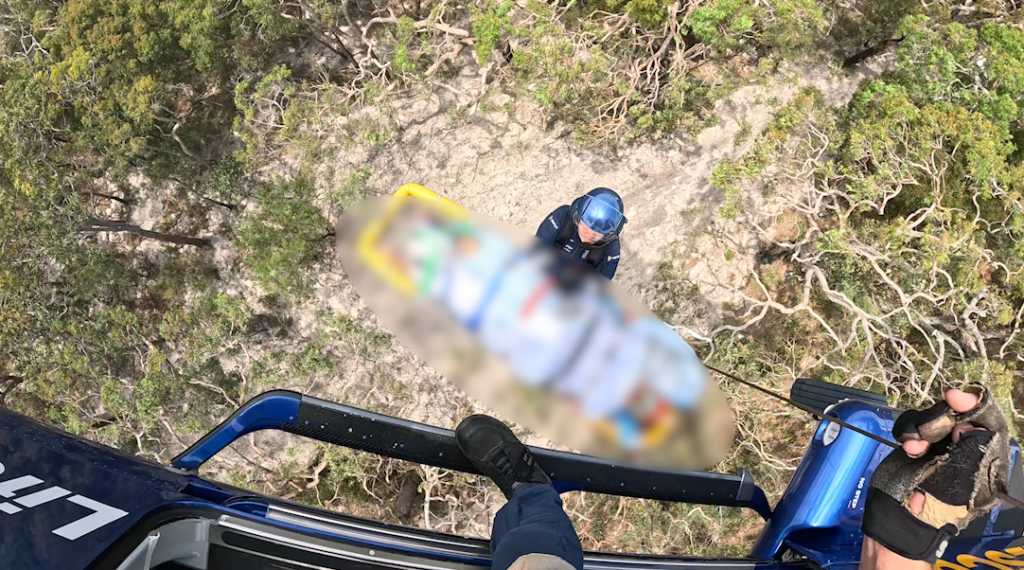
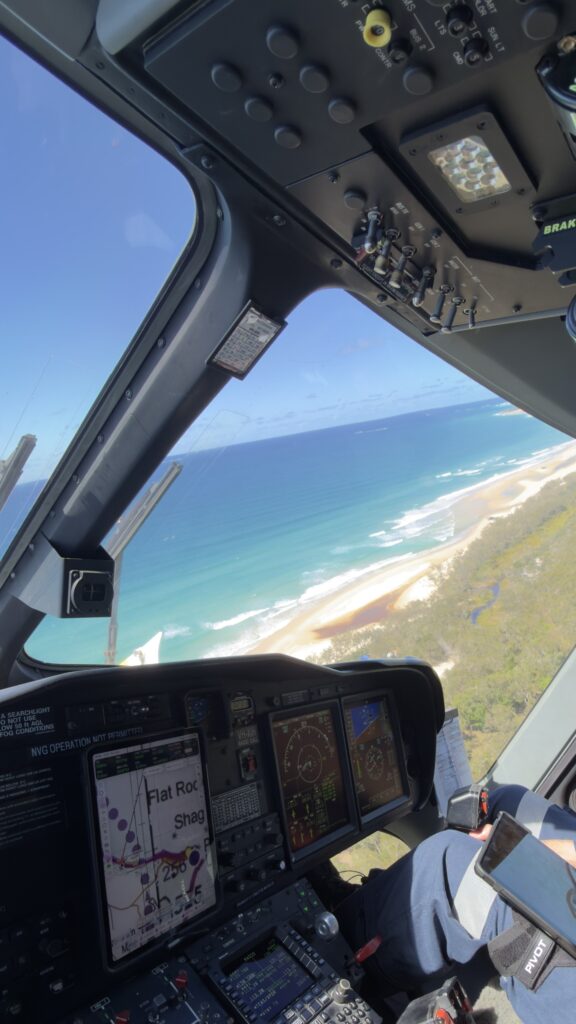
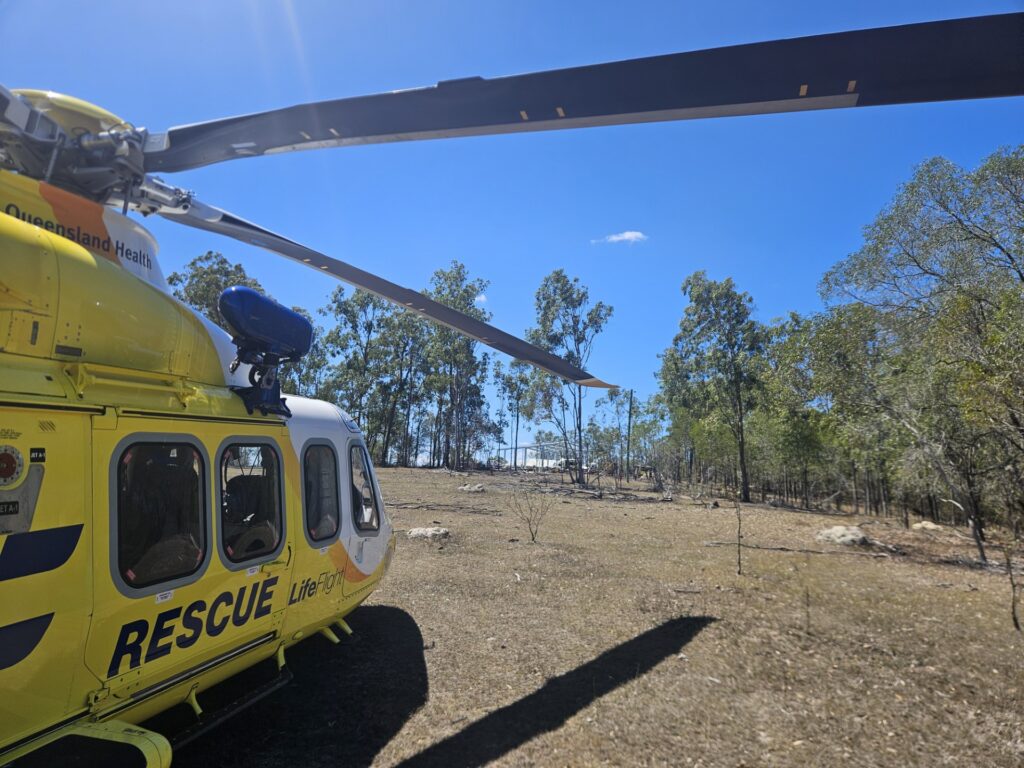
Due to the rugged terrain, paramedics determined air transport was the safest and fastest option. The Bundaberg-based LifeFlight helicopter crew was tasked by Retrieval Services Queensland (RSQ) to transport Chris to Bundaberg Hospital for further assessment.
LifeFlight’s aeromedical helicopters act as flying intensive care units, delivering specialist medical care to Queenslanders when distance and location become critical factors.
Preparing Communities for Emergencies
Doctors later confirmed Chris had experienced a dry bite, meaning venom was not injected. However, he said the experience reinforced the importance of being prepared.
Chris is now encouraging people across regional Queensland to complete LifeFlight’s free First Minutes Matter trauma training workshops, which teach practical skills for emergencies including snake bites, severe bleeding and accidents.
“The more people who have these skills, the safer our communities are,” he said.
The Importance of Trauma Training
LifeFlight critical care doctor Oonagh Mitchell said being prepared for medical emergencies is vital, particularly in Queensland’s regional and remote areas.
“Many families will be out and about camping, hiking and enjoying Queensland’s beautiful scenery,” Dr Mitchell said.
“It’s a big state and it can take time for help to arrive. It’s vital people know what to do.”