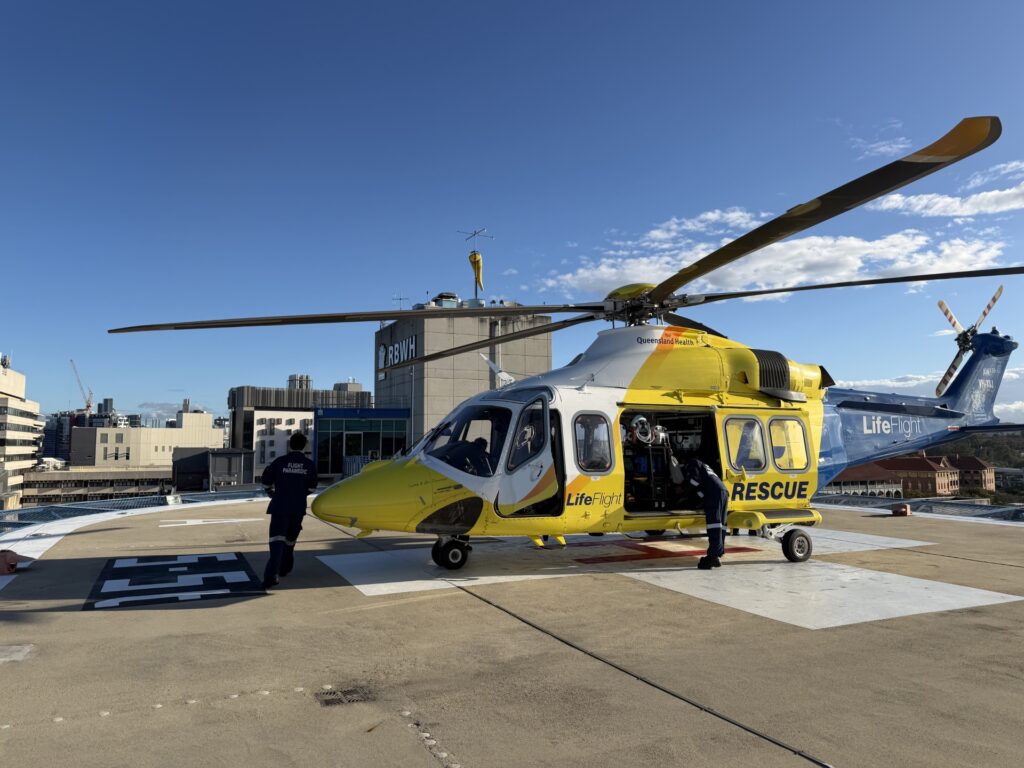




Strong demand for rapid aeromedical care combined with a new helicopter and base has fuelled a record year for the LifeFlight Mount Isa-based aeromedical crew.
LifeFlight’s crew in Mount Isa helped 181 people in the past financial year, 43 per cent higher than the previous year.
The crew completed a total of 156 missions, and flew for 257 hours over 12 months, an eight per cent and 17 per cent increase year-on-year respectively.
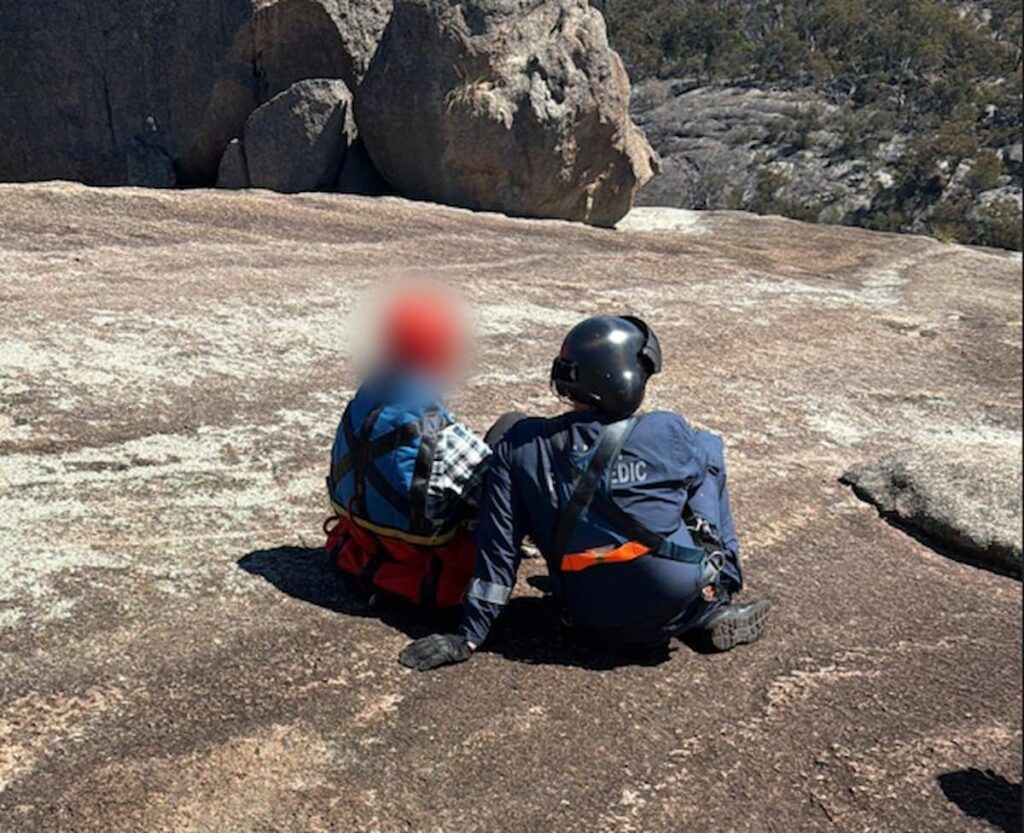
Notable missions included rescuing three people stranded when their vehicles became bogged after heavy rain, including a man who had walked nearly 40km attempting to find safety in January. LifeFlight also helped a man in September after his helicopter crashed.
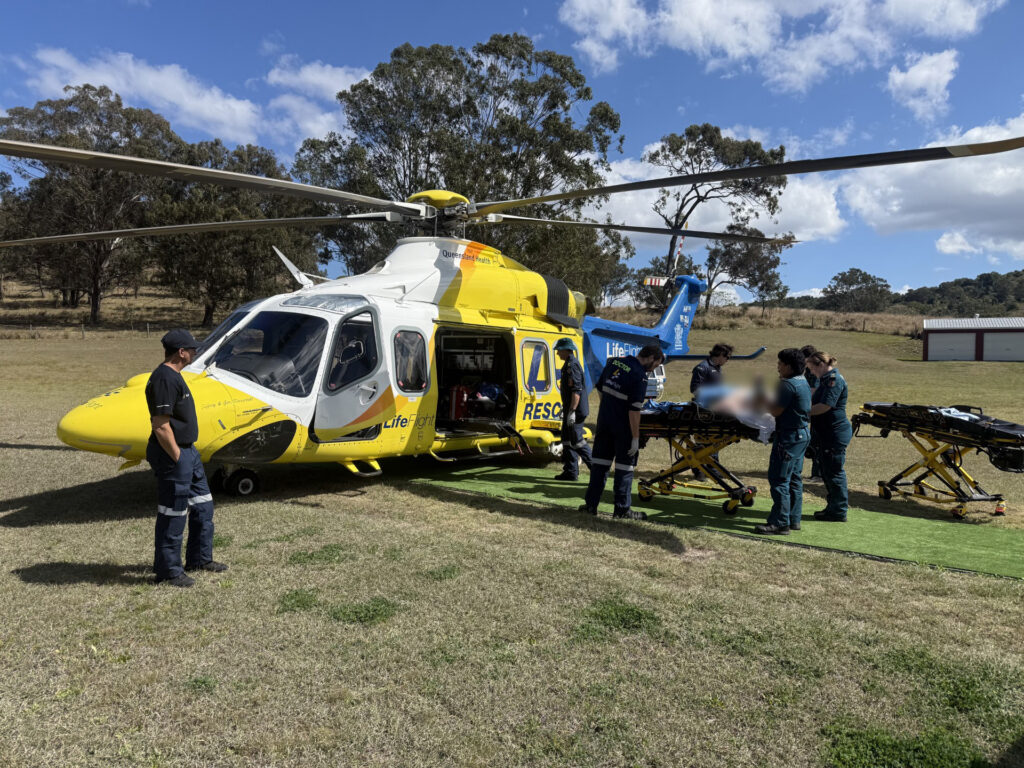
The year featured numerous milestones for the Mount Isa base including the arrival of a new AW139 helicopter in November and the opening of the LifeFlight/Royal Flying Doctor Service (RFDS) (Queensland Section) Aeromedical Hub in March.
The Mount Isa crew contributed to a strong year for LifeFlight across Australia, with 8,982 people helped in the wake of motor vehicle crashes, farming accidents, search and rescue operations and cardiac incidents, alongside many other missions.
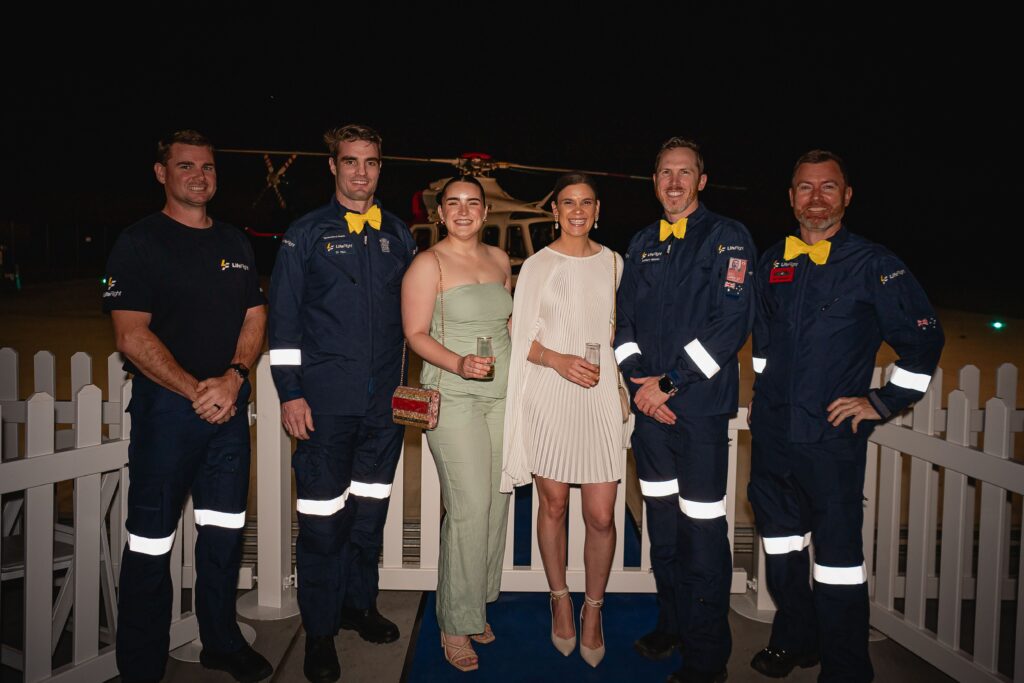
The Mount Isa aeromedical crew is comprised of four to five people, including the pilot, aircrew officer, rescue crew officer, Queensland Ambulance Service critical care paramedic and, frequently, a doctor from the RFDS. The multidisciplinary teams bring a broad range of skills across medicine and aviation.
LifeFlight also reached a major milestone by helping its 100,000th patient during the year.
LifeFlight Chief Operating Officer Pete Elliott said every rescue in the North West region represented a person, a family and a community affected by serious illness, injury or disaster.
“LifeFlight started as a community rescue helicopter service 46 years ago when the pioneers recognised there was a need to bridge the gap between regional healthcare and the major city hospitals,” Mr Elliott said.
“It’s a mission we continue to hold close to our heart and one we’ve never lost sight of, regardless of how many years have gone by.
“Behind each patient is a story of strength in the face of adversity and hope of a brighter future.”
Mr Elliott said the North West milestone was achieved thanks to the Queensland Government’s significant investment in the aeromedical network, underpinned by the 10-year service agreement signed in 2024, alongside a host of partners, volunteers and supporters who have backed LifeFlight’s committed aeromedical teams over five decades.
“The Queensland Government’s investment into ensuring equity of care across the state has ensured we could help all of these people through aeromedical retrieval,” Mr Elliott said.
“It spurs us on every day to make improvements to how we operate, whether that’s in training, operational support or technology.
“We’re also fortunate to have incredible staff across operations, engineering and training, who are all fiercely committed to equity of healthcare.”
Mr Elliott said LifeFlight was steadily expanding its aeromedical services across Australia, particularly in response to natural disasters.
“We have 46 years of aeromedical experience to draw upon when deploying around Australia for disaster response and other deployments,” Mr Elliott said.
“This is invaluable because operational depth and experience, from training through to equipment and aircraft, is key to ensuring positive patient outcomes.”
LifeFlight Chief Medical Officer Dr Allan MacKillop said LifeFlight’s aeromedical teams were world-class, having undergone rigorous training routines before deployment.
“LifeFlight’s helicopters bring a specialist medical team directly to the patient no matter where they are located, whether out at sea or stranded in the outback,” Dr MacKillop said.
“That direct intervention can often be the difference between life and death.”
Dr MacKillop said aeromedical crews did not know what they would face at the start of each day.
“In the morning they could be treating a patient after a serious car crash, while in the afternoon moving on to stabilise a patient midair following a cardiac incident.
“That variation means crews need to be prepared for any eventuality and trained to the highest standards of care.”
Dr MacKillop said community resilience was also a key focus for LifeFlight through the emergency trauma First Minutes Matter program.
“First Minutes Matter complements our aeromedical response by giving everyday people the practical skills to manage life-threatening events such as motor vehicle accidents, farming incidents, stroke and snake bites.”
Including the North West, LifeFlight’s aeromedical crews and critical care doctors working onboard other providers, including QGAir, Royal Flying Doctor Service (Queensland section), CapRescue, and BMA CQ Rescue, helped nearly 9,000 people in the past year.
The figure was five per cent higher than the previous financial year, and included 1,830 trauma cases, 1,190 helped in the wake of cardiac incidents, and 823 following motor vehicle accidents.
The number of people helped during search and rescue missions rose 89 per cent to 70 and animal-related incidents rose 24 per cent to 206.
The financial year included a raft of major milestones in addition to the 100,000th patient each supported by record funding investment from the Queensland Government.
This included the expansion of 24/7 doctor coverage to the Bundaberg base, the opening of new aeromedical bases in Mount Isa and on the Sunshine Coast, and the delivery of new AW139 helicopters.
LifeFlight also commenced aeromedical operations in Tasmania through LifeFlight’s joint venture with Linfox called StarFlight.